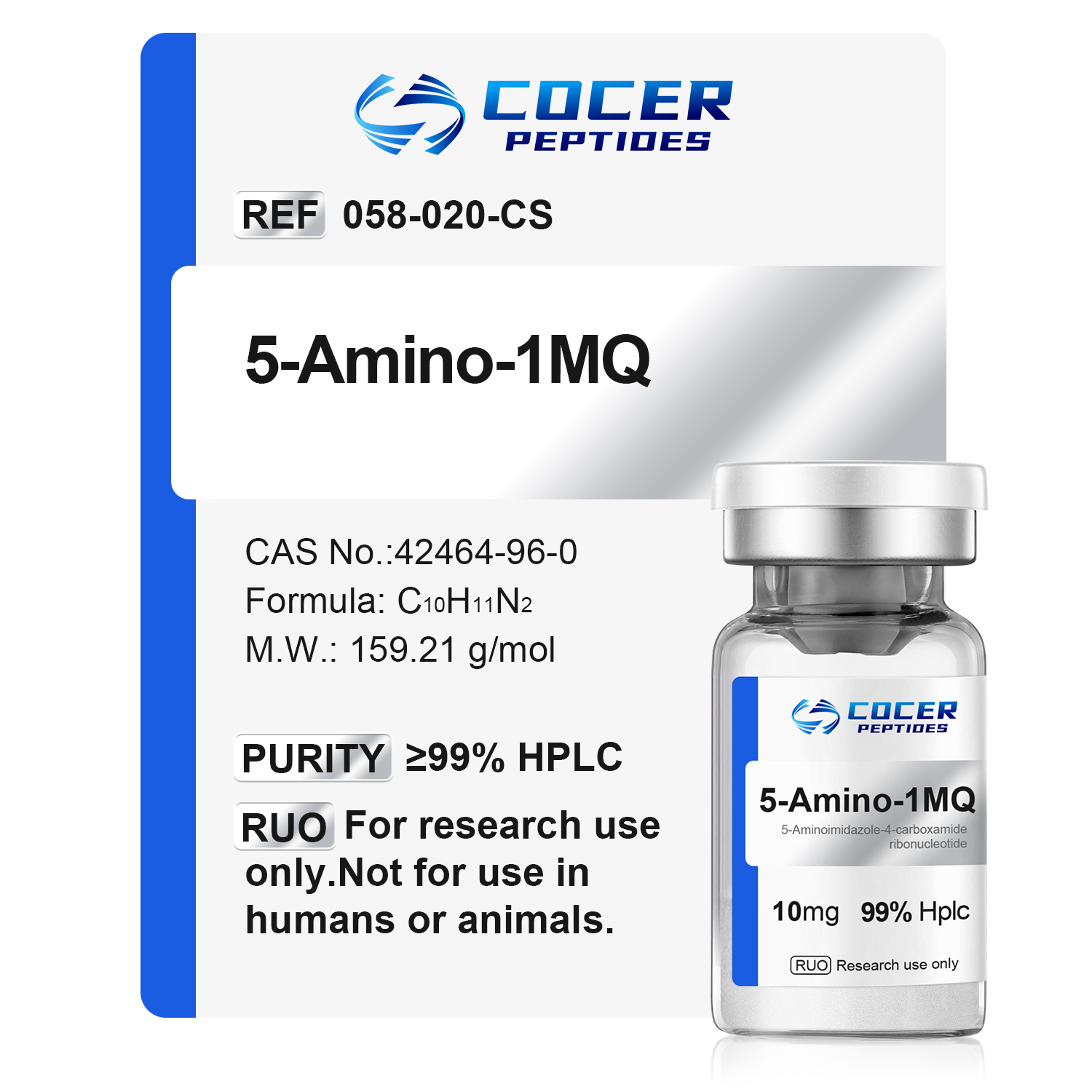
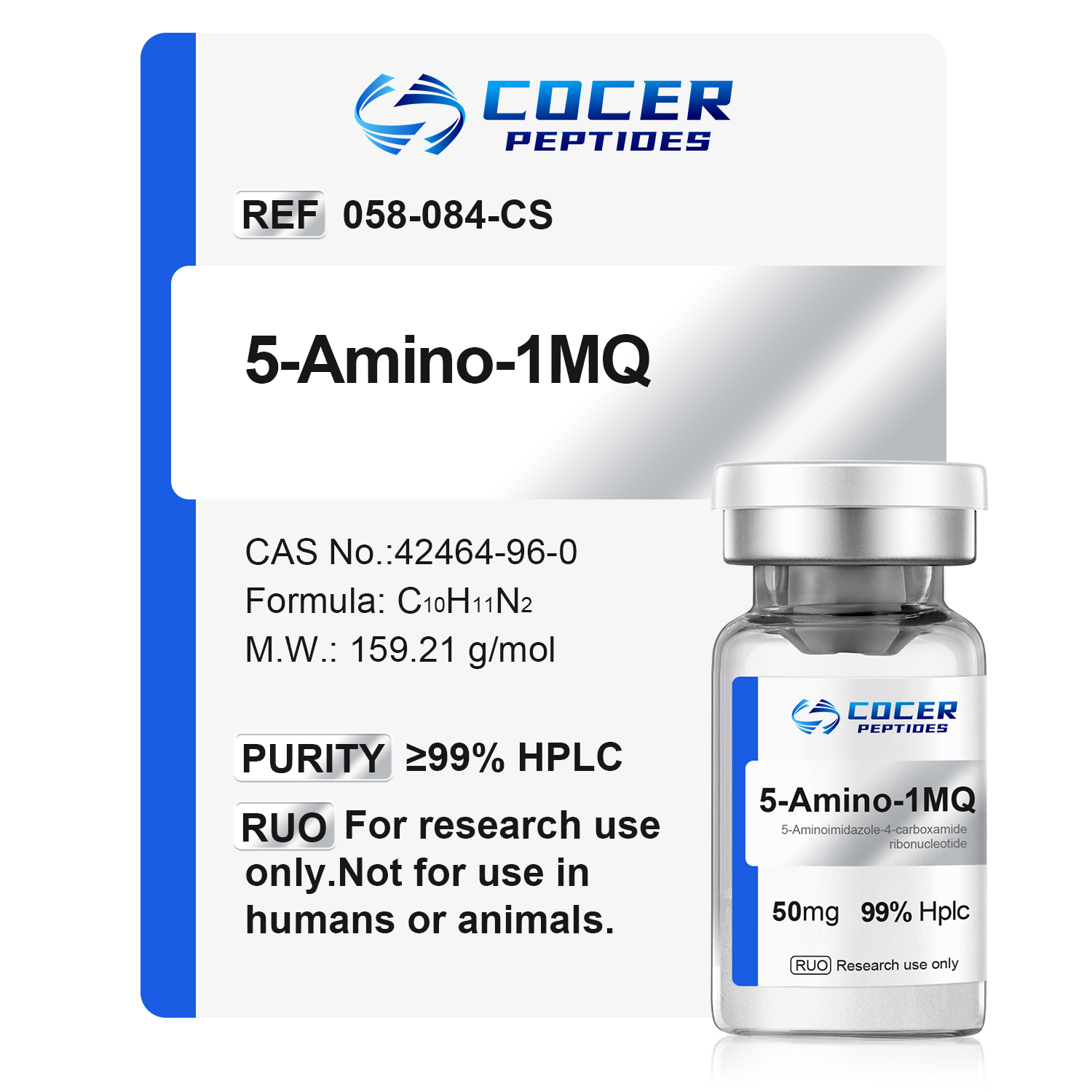
What is 5-Amino-1MQ?
5-Amino-1MQ, or 5-Amino-1-Methylquinoline Iodide, is a research-grade compound. It is a potent, selective inhibitor of nicotinamide N-methyltransferase (NNMT), acting through specific binding to the enzyme’s substrate-binding site. In cellular studies, 5-Amino-1MQ effectively reduces adipogenesis in 3T3-L1 cells and lowers 1-methylnicotinamide levels in adipocytes without affecting methyl transferases or enzymes involved in the NAD+ salvage pathway. Animal experiments demonstrate its efficacy in treating diet-induced obesity, muscle injury, and inhibiting ovarian cancer metastasis.
5-Amino-1MQ Research
What is the research background of 5-Amino-1MQ?
With the continuous rise in global incidence rates of metabolic diseases such as obesity and diabetes, identifying targets and drugs that can effectively regulate energy metabolism and improve metabolic disorders has become a significant research focus. Nicotinamide N-methyltransferase (NNMT), a key metabolic enzyme, plays a vital role in energy homeostasis. Its overexpression leads to issues like fat accumulation and insulin resistance, making NNMT regulation a potential therapeutic target for related diseases.
Against this backdrop, 5-Amino-1MQ has emerged as a specific NNMT inhibitor. By suppressing NNMT activity, it reduces abnormal nicotinamide methylation, restores intracellular NAD+ levels and normalizes related signaling pathways, thereby improving lipid metabolism and enhancing insulin sensitivity. 5-Amino-1-methylquinolinium has emerged as a key research target for exploring novel therapeutic strategies against metabolic disorders, spurring fundamental studies on its mechanisms.
What effects does 5-Amino-1-methylquinolinium exert on adipocyte metabolism?
Effects on Adipogenesis
Inhibition of Adipogenesis: Adipogenesis refers to the process where preadipocytes differentiate into mature adipocytes and accumulate lipids during adipocyte development. Research indicates that methylquinolinium scaffolds bearing primary amine substituents exhibit high permeability for both passive and active transmembrane transport, while their analogues demonstrate highly selective inhibitory activity against nicotinamide N-methyltransferase (NNMT) [1]. NNMT inhibitors suppress adipogenesis in adipocytes, leading to the hypothesis that 5-Amino-1-methylquinolinium, if possessing similar NNMT inhibitory activity, is highly likely to reduce adipogenesis by inhibiting NNMT. For example, in cultured adipocyte experiments, NNMT inhibitors decrease intracellular 1-methylnicotinamide (1-MNA) levels, increase intracellular nicotinamide adenine dinucleotide (NAD⁺) and S-(5′-adenosyl) -L-methionine (SAM), and inhibit adipogenesis in fat cells[1].
Influencing adipogenesis-related gene expression: Adipogenesis is regulated by a series of transcription factors and genes, such as peroxisome proliferator-activated receptor-gamma (PPAR-γ) and CCAAT/enhancer-binding protein (C/EBP). Methylquinoline derivatives inevitably influence lipogenesis by affecting the expression of these key genes.